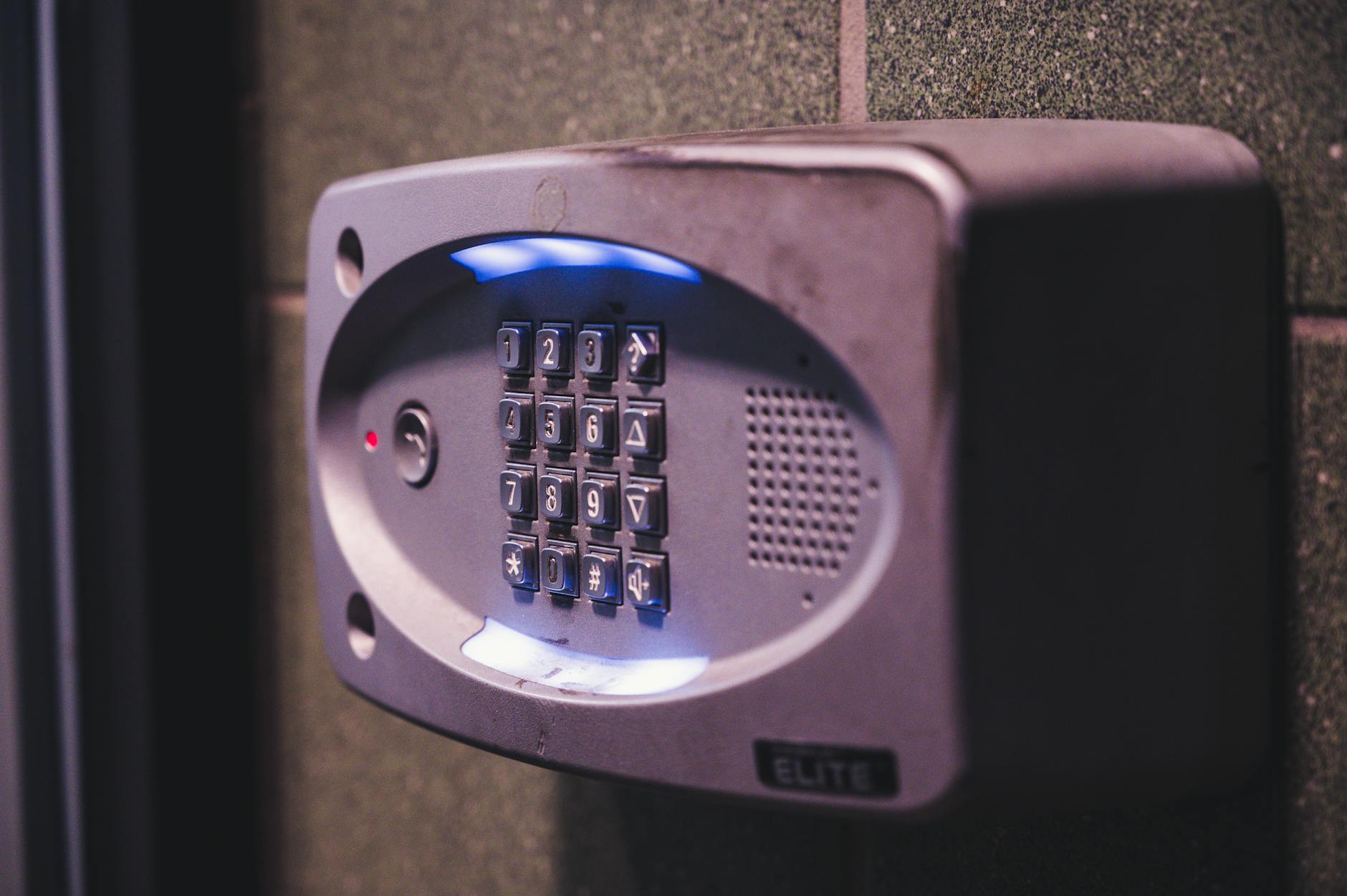
As we navigate through 2026, smart home technology has become increasingly prevalent in households worldwide. From intelligent thermostats and security cameras to voice-activated assistants and connected appliances, our homes are more connected than ever before. However, this interconnected ecosystem presents significant cybersecurity challenges that homeowners must address to protect their privacy and security.
The Growing Smart Home Threat Landscape in 2026
The smart home market has experienced explosive growth, with millions of devices now connected to home networks globally. Unfortunately, this expansion has attracted cybercriminals who recognize the vulnerabilities inherent in IoT (Internet of Things) devices. In 2026, emerging threats have evolved beyond simple password breaches to include sophisticated attacks targeting device firmware, network protocols, and interconnected systems.
Recent security reports indicate that smart home devices remain one of the most targeted categories for cyberattacks. Hackers exploit outdated software, weak authentication mechanisms, and poor device management practices to gain unauthorized access to home networks. The consequences can range from privacy violations to complete home system compromise.
Understanding Common Smart Home Vulnerabilities
Weak Default Credentials
One of the most prevalent vulnerabilities in 2026 continues to be weak default passwords and usernames. Many smart home devices ship with standard credentials that users never change, providing easy entry points for attackers. Manufacturers often prioritize convenience over security, leaving devices vulnerable from the moment of installation.
Outdated Firmware and Software
Smart home devices require regular firmware updates to patch security vulnerabilities. However, many users neglect these updates or devices lack automatic update capabilities. In 2026, outdated firmware remains a critical weakness that cybercriminals actively exploit to gain unauthorized access.
Inadequate Encryption
Data transmission between smart home devices and cloud servers must be encrypted to prevent interception. Some devices still use outdated or weak encryption protocols, making sensitive information vulnerable to man-in-the-middle attacks and data theft.
Network Segmentation Issues
Many homeowners connect all smart devices to the same primary network without proper segmentation. This approach allows a compromised device to potentially access other connected systems, creating a domino effect of security breaches.
Essential Steps to Secure Your Smart Home in 2026
1. Implement a Dedicated IoT Network
Create a separate network specifically for smart home devices. Most modern routers support multiple network configurations, allowing you to isolate IoT devices from computers, smartphones, and other sensitive devices. This segmentation prevents compromised devices from accessing your personal data or critical systems.
When setting up your IoT network, use a strong, unique network name and password. Avoid using your primary home network for smart home devices, as this significantly increases your security risk.
2. Change Default Credentials Immediately
The moment you set up any smart home device, change its default username and password. Create strong, unique credentials for each device using a combination of uppercase letters, lowercase letters, numbers, and special characters. Consider using a password manager to securely store and manage these credentials.
This fundamental step eliminates one of the easiest attack vectors that cybercriminals exploit. Despite its simplicity, many users still overlook this critical security measure.
3. Enable Two-Factor Authentication
Whenever available, enable two-factor authentication (2FA) on your smart home accounts and devices. This additional security layer requires a second verification method beyond your password, significantly reducing the risk of unauthorized access even if your password is compromised.
In 2026, most reputable smart home manufacturers offer 2FA options. Prioritize devices and platforms that support this feature when making purchasing decisions.
4. Regularly Update Firmware and Software
Enable automatic updates whenever possible, or establish a regular schedule to manually check for and install firmware updates. Manufacturers release updates specifically to patch newly discovered vulnerabilities, making timely updates essential for security.
Set calendar reminders to check for updates on devices that don’t support automatic patching. This proactive approach prevents your devices from becoming outdated security risks.
5. Invest in a Modern Router with Advanced Security Features
Your router serves as the gateway to your home network and is critical to your overall smart home security. In 2026, choose a router that offers:
- Built-in firewall protection
- Intrusion detection systems
- Regular security updates from the manufacturer
- Support for WPA3 encryption
- Guest network capabilities
A quality router acts as your first line of defense against external threats and provides the foundation for a secure smart home ecosystem.
6. Monitor Network Activity
Regularly review your network’s connected devices and monitor for unusual activity. Most modern routers provide dashboards showing connected devices and bandwidth usage. Unfamiliar devices or unexpected data transmission patterns may indicate a security breach.
Consider using network monitoring tools that alert you to suspicious activity, allowing you to respond quickly to potential threats.
7. Disable Unnecessary Features and Services
Many smart home devices come with features you may not need. Disable any unnecessary services, remote access features, or cloud connectivity options that aren’t essential for your use case. Each enabled feature represents a potential attack surface.
For example, if you don’t use voice assistant features, disable microphone functionality. If you don’t need remote access, disable it to reduce vulnerability exposure.
Choosing Secure Smart Home Devices
When purchasing new smart home devices in 2026, prioritize security alongside functionality. Research manufacturer reputation regarding security practices and update history. Look for devices that:
- Come from established manufacturers with strong security records
- Support automatic updates
- Offer two-factor authentication
- Use modern encryption standards
- Have active security communities
- Provide clear privacy policies
Reading user reviews and security analyses before purchasing helps you avoid devices known for poor security practices.
The Role of Privacy Settings
Many smart home devices collect substantial amounts of personal data. Review and configure privacy settings on all devices and associated apps. Disable data collection features you don’t need, and understand what information is being collected and how it’s being used.
In 2026, data privacy has become increasingly important, and users should take control of their digital footprint within their homes.
Conclusion
Securing your smart home against emerging cyber threats in 2026 requires a multi-layered approach combining technical measures, user awareness, and proactive management. By implementing network segmentation, changing default credentials, enabling two-factor authentication, and maintaining regular updates, you can significantly reduce your vulnerability to cyberattacks.
Remember that smart home security is an ongoing process, not a one-time setup. Stay informed about emerging threats, regularly review your security practices, and remain vigilant about protecting your connected home. With these measures in place, you can enjoy the convenience of smart home technology while maintaining robust security and privacy protection.
Sources and Further Reading
Frequently Asked Questions
What is How to Secure Your Smart Home Against Em?
How to Secure Your Smart Home Against Em refers to a set of concepts and practices relevant to technology. Understanding the fundamentals helps you apply these techniques effectively in real-world situations.
Who benefits most from How to Secure Your Smart Home Against Em?
Anyone working in or interested in technology can benefit. Beginners gain foundational knowledge, while experienced practitioners find actionable guidance for common challenges.
What are the key steps to get started with How to Secure Your Smart Home Against Em?
Start by understanding the core principles, then apply them incrementally. Focus on measurable outcomes and iterate based on what you observe in practice.
Leave a Reply