Author: Marcus Chen, RDN, CPT

  • How to Secure Your Smart Home Against Emerging Cyber Threats

    How to Secure Your Smart Home Against Emerging Cyber Threats

    As we navigate through 2026, smart home technology has become increasingly prevalent in households worldwide. From intelligent thermostats and security cameras to voice-activated assistants and connected appliances, our homes are more connected than ever before. However, this interconnected ecosystem presents significant cybersecurity challenges that homeowners must address to protect their privacy and security.

    The Growing Smart Home Threat Landscape in 2026

    The smart home market has experienced explosive growth, with millions of devices now connected to home networks globally. Unfortunately, this expansion has attracted cybercriminals who recognize the vulnerabilities inherent in IoT (Internet of Things) devices. In 2026, emerging threats have evolved beyond simple password breaches to include sophisticated attacks targeting device firmware, network protocols, and interconnected systems.

    Recent security reports indicate that smart home devices remain one of the most targeted categories for cyberattacks. Hackers exploit outdated software, weak authentication mechanisms, and poor device management practices to gain unauthorized access to home networks. The consequences can range from privacy violations to complete home system compromise.

    Understanding Common Smart Home Vulnerabilities

    Weak Default Credentials

    One of the most prevalent vulnerabilities in 2026 continues to be weak default passwords and usernames. Many smart home devices ship with standard credentials that users never change, providing easy entry points for attackers. Manufacturers often prioritize convenience over security, leaving devices vulnerable from the moment of installation.

    Outdated Firmware and Software

    Smart home devices require regular firmware updates to patch security vulnerabilities. However, many users neglect these updates or devices lack automatic update capabilities. In 2026, outdated firmware remains a critical weakness that cybercriminals actively exploit to gain unauthorized access.

    Inadequate Encryption

    Data transmission between smart home devices and cloud servers must be encrypted to prevent interception. Some devices still use outdated or weak encryption protocols, making sensitive information vulnerable to man-in-the-middle attacks and data theft.

    Network Segmentation Issues

    Many homeowners connect all smart devices to the same primary network without proper segmentation. This approach allows a compromised device to potentially access other connected systems, creating a domino effect of security breaches.

    Essential Steps to Secure Your Smart Home in 2026

    1. Implement a Dedicated IoT Network

    Create a separate network specifically for smart home devices. Most modern routers support multiple network configurations, allowing you to isolate IoT devices from computers, smartphones, and other sensitive devices. This segmentation prevents compromised devices from accessing your personal data or critical systems.

    When setting up your IoT network, use a strong, unique network name and password. Avoid using your primary home network for smart home devices, as this significantly increases your security risk.

    2. Change Default Credentials Immediately

    The moment you set up any smart home device, change its default username and password. Create strong, unique credentials for each device using a combination of uppercase letters, lowercase letters, numbers, and special characters. Consider using a password manager to securely store and manage these credentials.

    This fundamental step eliminates one of the easiest attack vectors that cybercriminals exploit. Despite its simplicity, many users still overlook this critical security measure.

    3. Enable Two-Factor Authentication

    Whenever available, enable two-factor authentication (2FA) on your smart home accounts and devices. This additional security layer requires a second verification method beyond your password, significantly reducing the risk of unauthorized access even if your password is compromised.

    In 2026, most reputable smart home manufacturers offer 2FA options. Prioritize devices and platforms that support this feature when making purchasing decisions.

    4. Regularly Update Firmware and Software

    Enable automatic updates whenever possible, or establish a regular schedule to manually check for and install firmware updates. Manufacturers release updates specifically to patch newly discovered vulnerabilities, making timely updates essential for security.

    Set calendar reminders to check for updates on devices that don’t support automatic patching. This proactive approach prevents your devices from becoming outdated security risks.

    5. Invest in a Modern Router with Advanced Security Features

    Your router serves as the gateway to your home network and is critical to your overall smart home security. In 2026, choose a router that offers:

    • Built-in firewall protection
    • Intrusion detection systems
    • Regular security updates from the manufacturer
    • Support for WPA3 encryption
    • Guest network capabilities

    A quality router acts as your first line of defense against external threats and provides the foundation for a secure smart home ecosystem.

    6. Monitor Network Activity

    Regularly review your network’s connected devices and monitor for unusual activity. Most modern routers provide dashboards showing connected devices and bandwidth usage. Unfamiliar devices or unexpected data transmission patterns may indicate a security breach.

    Consider using network monitoring tools that alert you to suspicious activity, allowing you to respond quickly to potential threats.

    7. Disable Unnecessary Features and Services

    Many smart home devices come with features you may not need. Disable any unnecessary services, remote access features, or cloud connectivity options that aren’t essential for your use case. Each enabled feature represents a potential attack surface.

    For example, if you don’t use voice assistant features, disable microphone functionality. If you don’t need remote access, disable it to reduce vulnerability exposure.

    Choosing Secure Smart Home Devices

    When purchasing new smart home devices in 2026, prioritize security alongside functionality. Research manufacturer reputation regarding security practices and update history. Look for devices that:

    • Come from established manufacturers with strong security records
    • Support automatic updates
    • Offer two-factor authentication
    • Use modern encryption standards
    • Have active security communities
    • Provide clear privacy policies

    Reading user reviews and security analyses before purchasing helps you avoid devices known for poor security practices.

    The Role of Privacy Settings

    Many smart home devices collect substantial amounts of personal data. Review and configure privacy settings on all devices and associated apps. Disable data collection features you don’t need, and understand what information is being collected and how it’s being used.

    In 2026, data privacy has become increasingly important, and users should take control of their digital footprint within their homes.

    Conclusion

    Securing your smart home against emerging cyber threats in 2026 requires a multi-layered approach combining technical measures, user awareness, and proactive management. By implementing network segmentation, changing default credentials, enabling two-factor authentication, and maintaining regular updates, you can significantly reduce your vulnerability to cyberattacks.

    Remember that smart home security is an ongoing process, not a one-time setup. Stay informed about emerging threats, regularly review your security practices, and remain vigilant about protecting your connected home. With these measures in place, you can enjoy the convenience of smart home technology while maintaining robust security and privacy protection.

    Sources and Further Reading

    Frequently Asked Questions

    What is How to Secure Your Smart Home Against Em?

    How to Secure Your Smart Home Against Em refers to a set of concepts and practices relevant to technology. Understanding the fundamentals helps you apply these techniques effectively in real-world situations.

    Who benefits most from How to Secure Your Smart Home Against Em?

    Anyone working in or interested in technology can benefit. Beginners gain foundational knowledge, while experienced practitioners find actionable guidance for common challenges.

    What are the key steps to get started with How to Secure Your Smart Home Against Em?

    Start by understanding the core principles, then apply them incrementally. Focus on measurable outcomes and iterate based on what you observe in practice.

  • How to Optimize Your AI Workflow Tools in 2026

    How to Optimize Your AI Workflow Tools in 2026

    As we move deeper into 2026, artificial intelligence has become an indispensable part of professional workflows across industries. Whether you’re a content creator, developer, marketer, or business owner, optimizing your AI tools can dramatically increase productivity and output quality. This comprehensive guide will walk you through everything you need to know to set up and maximize your AI workflow tools in 2026.

    Understanding the AI Workflow Landscape in 2026

    The AI tool ecosystem has evolved significantly throughout 2026. Unlike previous years, modern AI platforms now offer seamless integrations, advanced customization options, and industry-specific solutions. The average professional using AI tools reports a 40% increase in task completion speed compared to manual processes.

    The key to success isn’t just adopting AI tools—it’s strategically implementing them into your existing workflow. This means understanding your specific needs, choosing the right tools, and configuring them for maximum efficiency.

    Step 1: Assess Your Current Workflow Needs

    Identify Your Pain Points

    Before implementing any AI tools, take time to document your current workflow. Ask yourself:

    • Which tasks consume the most time in my daily routine?
    • Where do bottlenecks occur in my processes?
    • What repetitive tasks could benefit from automation?
    • Which areas require the most human creativity and decision-making?

    Mapping out these questions will help you identify where AI can provide the most value. In 2026, successful professionals are those who use AI to augment their capabilities rather than replace their expertise.

    Define Your Goals

    Set clear, measurable objectives for your AI implementation. Are you looking to reduce time spent on administrative tasks? Improve content quality? Increase output volume? Having specific goals will guide your tool selection and configuration.

    Step 2: Choose the Right AI Tools for Your Needs

    Evaluate Specialized vs. General-Purpose Tools

    In 2026, the market offers both specialized AI solutions and comprehensive platforms. Specialized tools excel in specific domains—content creation, coding, data analysis, or design. General-purpose platforms offer versatility across multiple functions.

    Consider your workflow requirements:
    Content creators benefit from tools specializing in writing, editing, and research
    Developers should prioritize code generation and debugging capabilities
    Marketers need analytics integration and campaign optimization features
    Business analysts require data processing and visualization strengths

    Integration Capabilities

    One of the most important factors in 2026 is how well your AI tools integrate with existing software. Look for platforms that support:

    • API connections to your current applications
    • Direct integrations with popular productivity suites
    • Webhook support for custom workflows
    • Multi-platform compatibility

    Step 3: Configure Your AI Tools for Maximum Efficiency

    Customize Prompts and Parameters

    The quality of AI output directly correlates with input quality. Spend time crafting detailed prompts that specify:

    • The exact task or problem
    • Desired tone and style
    • Target audience
    • Specific constraints or requirements
    • Output format preferences

    In 2026, advanced AI systems allow you to save prompt templates, creating a library of optimized instructions for recurring tasks.

    Set Up Automation Workflows

    Modern AI platforms in 2026 support sophisticated automation:

    • Trigger-based actions: Automatically process content when files arrive
    • Conditional workflows: Route tasks based on specific criteria
    • Batch processing: Handle multiple items efficiently
    • Scheduled operations: Run tasks during optimal times

    Establish Quality Control Processes

    While AI tools are powerful, human oversight remains essential. Implement:

    • Review checkpoints before publishing or deployment
    • Feedback loops to improve AI outputs over time
    • Regular audits of tool performance
    • Clear escalation procedures for complex decisions

    Step 4: Integrate AI Tools Into Your Daily Workflow

    Create Standard Operating Procedures

    Document how each AI tool fits into your workflow. Create step-by-step guides that specify:

    • When to use each tool
    • How to input information
    • What to expect from outputs
    • How to handle edge cases or errors

    Establish Metrics and KPIs

    Track the impact of your AI implementation:

    • Time saved on specific tasks
    • Quality improvements in outputs
    • Cost reductions from automation
    • Error rates and accuracy metrics
    • Team adoption and usage rates

    Step 5: Optimize and Iterate

    Regular Performance Reviews

    Schedule monthly reviews to assess your AI tool performance. Compare actual results against your initial goals. In 2026, most successful implementations involve quarterly optimization cycles.

    Stay Updated on New Features

    AI technology evolves rapidly. Subscribe to:

    • Tool vendor newsletters and update announcements
    • Industry blogs covering AI advancements
    • Webinars and training sessions
    • Community forums and user groups

    Gather Team Feedback

    If you’re implementing AI tools across a team, collect regular feedback about:

    • Usability and ease of integration
    • Perceived time savings
    • Areas of frustration
    • Suggestions for improvement

    Best Practices for AI Workflow Optimization in 2026

    Prioritize Data Security

    With increased AI tool usage comes increased data handling. Ensure:

    • Tools comply with relevant data protection regulations
    • Sensitive information is properly encrypted
    • Access controls are properly configured
    • Regular security audits are conducted

    Maintain the Human Touch

    AI is most effective when combined with human judgment. Use AI tools for:

    • Initial drafts and suggestions
    • Data processing and analysis
    • Routine task automation
    • Research and information gathering

    Reserve human effort for:

    • Strategic decision-making
    • Creative refinement
    • Client relationships
    • Ethical considerations

    Invest in Training

    Even the best tools require proper training. In 2026, successful organizations invest in:

    • Initial tool training sessions
    • Ongoing skill development
    • Certification programs
    • Knowledge sharing among team members

    Conclusion

    Optimizing your AI workflow tools in 2026 requires thoughtful planning, strategic implementation, and continuous refinement. By assessing your needs, choosing appropriate tools, configuring them properly, and integrating them into your daily processes, you can achieve significant improvements in productivity and output quality.

    The professionals and organizations thriving in 2026 aren’t those who simply adopt AI tools—they’re those who strategically implement them as part of a comprehensive workflow optimization strategy. Start with a clear understanding of your needs, choose tools that align with your goals, and commit to ongoing optimization.

    Your competitive advantage in 2026 lies not in having access to AI tools, but in how effectively you implement and optimize them for your unique circumstances.

    Sources and Further Reading

    Frequently Asked Questions

    What is How to Optimize Your AI Workflow Tools i?

    How to Optimize Your AI Workflow Tools i refers to a set of concepts and practices relevant to technology. Understanding the fundamentals helps you apply these techniques effectively in real-world situations.

    Who benefits most from How to Optimize Your AI Workflow Tools i?

    Anyone working in or interested in technology can benefit. Beginners gain foundational knowledge, while experienced practitioners find actionable guidance for common challenges.

    What are the key steps to get started with How to Optimize Your AI Workflow Tools i?

    Start by understanding the core principles, then apply them incrementally. Focus on measurable outcomes and iterate based on what you observe in practice.

  • cybersecurity tips — 2026 guide

    cybersecurity tips — 2026 guide

    Table of Contents


    **Key Takeaways:** Strong passwords, two-factor authentication, and regular software updates form the foundation of effective cybersecurity. Remote workers and smart home users face unique risks that require specialized protection strategies.

    Cybersecurity threats continue to evolve rapidly, making personal digital protection more critical than ever. With cybercrime damages projected to exceed $10 trillion annually, implementing proven cybersecurity practices has become essential for everyone from beginners to business owners.

    What are the most important cybersecurity practices everyone should follow?

    The five most critical cybersecurity practices are strong password management, enabling two-factor authentication, maintaining updated software, using reputable antivirus protection, and practicing safe browsing habits. These fundamental practices prevent approximately 80% of common cyber attacks according to cybersecurity research.

    1. Use unique, complex passwords for every account – Passwords should contain at least 12 characters with a mix of letters, numbers, and symbols
    2. Enable two-factor authentication on all critical accounts – This reduces account compromise risk by over 99%
    3. Keep all software and operating systems updated – Security patches address newly discovered vulnerabilities
    4. Install reputable antivirus software with real-time protection – Modern threats require active monitoring and response
    5. Verify website authenticity before entering sensitive information – Look for HTTPS encryption and legitimate domain names

    Cybercrime statistics from 2026 reveal that businesses lose an average of $4.45 million per data breach, while individual victims lose approximately $1,500 per incident. These losses underscore why implementing basic cybersecurity practices has become non-negotiable for digital safety.

    These cybersecurity practices form the foundation of any effective security strategy, whether you’re protecting personal information or business data.

    How to create strong passwords and manage them securely

    A truly secure password contains at least 12 characters, uses a unique combination for each account, and incorporates unpredictable elements that make brute-force attacks nearly impossible.

    Password managers have become essential tools for maintaining security across multiple accounts. Modern productivity applications often include password management features alongside their security capabilities, making it easier to maintain strong security practices while staying organized.

    Why two-factor authentication is critical for account security

    Two-factor authentication (2FA) provides an additional security layer that prevents unauthorized access even when passwords are compromised, reducing account takeover risk by more than 99% according to Microsoft security research.

    Implementing 2FA requires using multiple devices to verify your identity. Your smartphone becomes a crucial security tool in this process, making it important to choose a device with robust security features when selecting your primary mobile device for both productivity and security purposes.

    How can remote workers and freelancers stay secure online?

    Remote workers face unique cybersecurity challenges including unsecured home networks, public Wi-Fi vulnerabilities, and increased phishing attempts targeting distributed workforces. Professional remote work security requires implementing enterprise-level protections in personal environments.

    What VPN features matter most for remote work security

    The most critical VPN features for remote work include military-grade encryption (AES-256), a strict no-logs policy, kill switch functionality, and split tunneling capabilities for optimized performance.

    How to secure home Wi-Fi networks for professional use

    Securing home Wi-Fi for professional use requires changing default router credentials, enabling WPA3 encryption, creating separate guest networks, and regularly updating router firmware to patch security vulnerabilities.

    Many remote workers integrate their professional security needs with comprehensive smart home security systems to create layered protection that covers both work and personal digital activities throughout their living space.

    What cybersecurity tips should beginners prioritize first?

    Cybersecurity beginners should prioritize three fundamental practices: installing automatic software updates, using built-in browser security features, and learning to identify suspicious emails before clicking links or attachments.

    How to recognize and avoid phishing emails

    Phishing emails typically contain urgent language, suspicious sender addresses, generic greetings, and requests for immediate action involving sensitive information or financial details.

    Why software updates are your first line of defense

    Software updates patch newly discovered security vulnerabilities, with many updates addressing critical flaws that cybercriminals actively exploit within days of discovery.

    How do you secure smart home devices and IoT equipment?

    Smart home device security requires changing default passwords, enabling automatic firmware updates, configuring network segmentation, and regularly auditing connected devices for unauthorized access attempts.

    What default settings to change immediately on new devices

    Critical default settings to change include administrative passwords, automatic data sharing permissions, remote access capabilities, and unnecessary network services that expand your attack surface.

    When setting up multiple smart devices, following a systematic smart home configuration approach ensures consistent security practices across all connected equipment, preventing common vulnerabilities that arise from inconsistent device management.

    How to segment IoT devices from your main network

    Network segmentation isolates IoT devices on separate network segments, preventing compromised smart devices from accessing computers, phones, or sensitive data on your primary network.

    What are 10 ways to prevent cyber attacks effectively?

    The 10 most effective cyber attack prevention methods combine technical safeguards with behavioral awareness to create comprehensive digital protection.

    1. Use unique passwords with a password manager
    2. Enable two-factor authentication on all accounts
    3. Keep software and operating systems updated
    4. Install reputable antivirus with real-time scanning
    5. Use a VPN on public Wi-Fi networks
    6. Backup data regularly to offline storage
    7. Verify email sender authenticity before clicking links
    8. Configure automatic security updates
    9. Limit administrative privileges on user accounts
    10. Monitor financial accounts for unauthorized activity

    How can students protect themselves on campus networks?

    Campus network security requires treating university Wi-Fi as a public network, using VPN protection, enabling device firewalls, and avoiding sensitive activities on shared connections.

    What risks exist on public and shared Wi-Fi networks

    Public Wi-Fi networks expose users to man-in-the-middle attacks, malicious hotspots, packet sniffing, and session hijacking that can compromise passwords, personal information, and financial data.

    How to secure personal devices used for academic work

    Academic device security requires full-disk encryption, automatic screen locks, regular data backups, and keeping academic and personal data in separate, encrypted folders.

    Using a secure smartphone with proper encryption becomes especially important for students who rely on mobile devices for academic productivity and communication with educational institutions.

    What cybersecurity practices work for seniors and elderly users?

    Senior-friendly cybersecurity focuses on simplified security tools, clear warning signs for common scams, and automated protection that requires minimal technical knowledge to maintain effectively.

    How to simplify security without compromising protection

    Simplified security strategies include using built-in browser security features, enabling automatic updates, using single sign-on services, and choosing devices with integrated security features.

    What scams specifically target older internet users

    Common senior-targeted scams include tech support fraud, Medicare/Social Security impersonation, romance scams, and fake charity solicitations that exploit trust and urgency to steal personal information.

    How can small business owners implement cybersecurity on a budget?

    Budget-conscious small business cybersecurity relies on free security tools, employee training, cloud-based security services, and focusing resources on protecting the most critical business assets.

    What free and low-cost security tools provide the best protection

    Effective budget security tools include Google Workspace or Microsoft 365 built-in security features, free antivirus solutions like Windows Defender, cloud backup services, and open-source firewall solutions.

    How to train employees without expensive security programs

    Cost-effective employee training uses free cybersecurity resources, monthly security tips, simulated phishing tests using free tools, and clear policies for handling sensitive data and suspicious activities.

    How often should I change my passwords?

    Security experts recommend changing passwords immediately after any potential compromise, annually for high-value accounts, and only when necessary for other accounts if you’re using strong, unique passwords with two-factor authentication.

    Is antivirus software still necessary with modern operating systems?

    While modern operating systems include built-in security features, dedicated antivirus software provides additional protection against zero-day threats, malicious websites, and sophisticated attacks that built-in protections might miss.

    What should I do if I think my computer is infected with malware?

    If you suspect malware infection, immediately disconnect from the internet, run a full antivirus scan, check for unauthorized account activity, change passwords from a clean device, and consider professional malware removal if the infection persists.

    How can I tell if a website is safe for online shopping?

    Safe shopping websites display HTTPS encryption (padlock icon), have professional design without obvious errors, include clear contact information and return policies, and show verifiable customer reviews from multiple sources.

    Should I use public charging stations for my phone?

    Public charging stations pose “juice jacking” risks where malicious actors can access device data through USB connections. Use portable battery packs, charging-only cables, or power outlets instead of USB ports when possible.

    What’s the difference between a VPN and antivirus software?

    VPNs encrypt internet traffic and hide your location while antivirus software detects and removes malicious programs. VPNs protect data in transit; antivirus protects your device from malicious software. Both serve different but complementary security purposes.

    How do I securely dispose of old computers and phones?

    Secure device disposal requires backing up important data, performing factory resets, physically destroying storage drives if they contained sensitive information, and using certified electronics recycling programs that guarantee data destruction.

  • Smart Home Setup Guide: Achieve an Automated Home

    Smart Home Setup Guide: Achieve an Automated Home

    Table of Contents


    Smart home automation transforms ordinary houses into intelligent living spaces that respond to your needs, enhance security, and optimize energy usage through connected IoT devices and centralized control systems.

    **Key Takeaways:** Smart home setup requires planning your budget ($500-$2500+), choosing compatible devices within an ecosystem, and prioritizing essential rooms first. Start with basic lighting and security, then expand to advanced automation as you gain experience.

    • Understanding Smart Home Basics
    – What Makes a Home “Smart”
    – Essential Components Overview
    • Planning Your Smart Home Setup
    – Budget Planning by Tier
    – Room Prioritization Strategy
    • Choosing Your Smart Home Hub
    – Hub Comparison and Compatibility
    – Ecosystem Selection
    • Network Preparation and Optimization
    – WiFi Requirements
    – Security Considerations
    • Device Installation and Configuration
    – Smart Lighting Setup
    – Security System Installation
    – Voice Assistant Integration
    • Troubleshooting Common Issues
    • Future-Proofing Your Investment
    • Frequently Asked Questions

    Understanding Smart Home Basics

    Smart home automation beginners need to understand that modern smart homes operate through interconnected devices that communicate via wireless protocols like WiFi, Zigbee, Z-Wave, and Matter. These devices collect data, respond to commands, and automate routine tasks based on schedules, sensors, or user preferences.

    The foundation of any smart house technology setup involves three core components: smart devices (lights, locks, sensors), a central hub or controller, and a reliable network infrastructure. Unlike traditional home automation systems that required extensive wiring, today’s wireless home automation solutions can be installed without permanent modifications to your property.

    Modern IoT home devices configuration has become significantly more user-friendly, with most devices featuring app-based setup wizards and QR code pairing. The key is understanding how different devices communicate and ensuring compatibility within your chosen ecosystem.

    What Makes a Home “Smart”

    A smart home responds automatically to environmental conditions, user preferences, and schedules without manual intervention. This includes lights that dim based on time of day, thermostats that learn your routine, and security systems that send real-time alerts to your smartphone.

    Smart homes operate on data collection and analysis. Motion sensors detect occupancy, temperature sensors monitor climate conditions, and door sensors track entry points. This data feeds into automation rules that trigger appropriate responses across your connected devices.

    Essential Components Overview

    Every smart home requires five fundamental components: a central hub, smart devices, reliable internet connectivity, a smartphone app for control, and automation rules. The hub acts as the brain, coordinating communication between devices and executing automation routines.

    Smart devices range from simple plug-in modules to sophisticated security cameras with AI recognition capabilities. The Federal Trade Commission provides comprehensive guidance on IoT device security to help consumers make informed purchasing decisions.

    Planning Your Smart Home Setup

    Successful smart home setup requires careful budget planning and strategic room prioritization to maximize functionality while avoiding compatibility issues. Start with essential areas like entryways and living rooms before expanding to secondary spaces.

    Budget planning should account for both initial hardware costs and ongoing subscription fees for cloud services, security monitoring, and premium features. Many smart home platforms offer basic functionality free with optional paid upgrades.

    Budget Planning by Tier

    The $500 Budget Tier focuses on essential smart lighting installation and basic security with 5-8 core devices. This tier typically includes smart bulbs, a video doorbell, smart plugs, and a basic hub. You’ll achieve fundamental automation without major financial commitment.

    For this budget level, prioritize devices that provide immediate value: smart bulbs for lighting automation, a smart lock for keyless entry, and smart plugs to control existing appliances. Avoid premium features like color-changing bulbs or advanced sensors until you expand your system.

    The $1000 Budget Tier adds comprehensive security systems, climate control, and voice assistant integration across 10-15 devices. This level enables room-to-room automation with smart thermostats, security cameras, motion sensors, and multi-room audio capabilities.

    Mid-tier budgets allow for ecosystem expansion with multiple device types working together. Consider smart thermostats that adjust based on occupancy sensors, or lighting systems that respond to security camera detection.

    The $2500+ Budget Tier delivers whole-home automation with advanced features like automated window shades, smart irrigation, multi-zone climate control, and professional-grade security monitoring. This tier supports 20+ devices with sophisticated automation rules and premium cloud services.

    High-end installations often include smart appliances, automated window treatments, whole-house audio systems, and advanced sensors for air quality, water leaks, and energy monitoring. Professional installation may be recommended for complex integrations.

    Budget Tier Device Count Core Features Best For
    $500 5-8 devices Basic lighting, security, plugs Apartment renters, first-time users
    $1000 10-15 devices Climate control, cameras, voice control Small homes, expanding systems
    $2500+ 20+ devices Whole-home automation, premium monitoring Large homes, tech enthusiasts

    Room Prioritization Strategy

    Start your home automation system installation with high-traffic areas where automation provides the most daily benefit: entryways, living rooms, and master bedrooms. These spaces offer the best return on investment and help you learn system capabilities before expanding.

    Entryways benefit most from smart locks, video doorbells, and automated lighting that activates when you arrive home. Living rooms excel with smart lighting, climate control, and entertainment system integration for comfort and convenience.

    Secondary priorities include kitchens for appliance automation and safety monitoring, bathrooms for moisture sensors and automated ventilation, and bedrooms for climate and lighting optimization. Utility areas like garages and basements typically come last unless specific security or environmental monitoring needs exist.

    Choosing Your Smart Home Hub

    Smart home hub comparison reveals that your hub choice determines device compatibility, features, and long-term expansion possibilities. The hub serves as the central coordinator, so this decision impacts every future purchase.

    Modern hubs fall into three categories: dedicated hardware hubs, smart speakers with hub functionality, and cloud-based platforms that work through existing devices. Each approach offers distinct advantages and limitations.

    Hub Comparison and Compatibility

    Dedicated hubs like SmartThings, Hubitat, and Aqara provide the most device compatibility and local processing power. These systems support multiple wireless protocols simultaneously and often work without internet connectivity for core functions.

    Dedicated hubs excel at complex automation rules, device integration across brands, and privacy-conscious users who prefer local processing. They require more technical knowledge but offer greater customization and reliability.

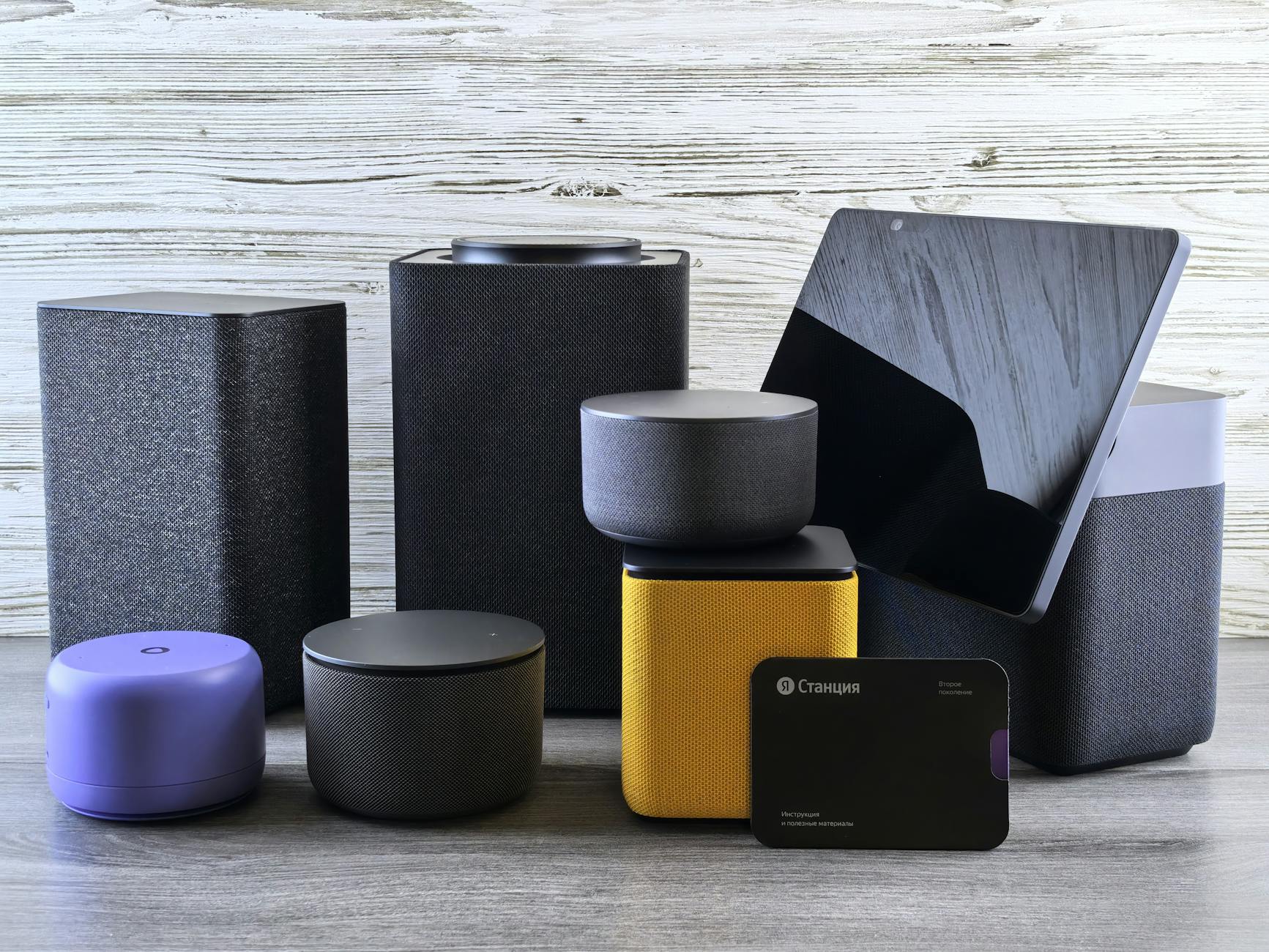
    Smart speakers with hub functionality, including Amazon Echo Plus and Google Nest Hub, combine voice control with basic automation capabilities. These devices work well for simple setups focused on lighting, plugs, and basic security devices.

    Speaker-based hubs prioritize ease of use and voice assistant integration over advanced automation. They’re ideal for beginners but may require additional hubs as systems grow more complex.

    Cloud-based platforms like Apple HomeKit and Samsung SmartThings operate through smartphone apps without dedicated hardware. These systems rely on existing devices to coordinate automation and typically require internet connectivity for full functionality.

    Ecosystem Selection

    Choose your ecosystem based on existing devices, technical comfort level, and long-term automation goals. Amazon Alexa, Google Assistant, Apple HomeKit, and Samsung SmartThings each offer different strengths and device compatibility.

    The National Institute of Standards and Technology has published IoT security guidelines that help evaluate platform security and privacy practices. Consider these factors alongside functionality when selecting your ecosystem.

    Apple HomeKit prioritizes privacy and security with local processing and encrypted communications, but limits device selection to certified manufacturers. Google Assistant excels at voice recognition and AI-powered automation but requires cloud connectivity for most features.

    Amazon Alexa supports the widest range of third-party devices and offers extensive automation capabilities through Routines. Samsung SmartThings provides excellent device compatibility and local processing options for power users.

    Network Preparation and Optimization

    Home network optimization is crucial for reliable smart home performance, requiring adequate WiFi coverage, sufficient bandwidth, and proper security configuration. Most smart homes need dedicated 2.4GHz and 5GHz networks with enterprise-grade security settings.

    Smart devices typically consume minimal bandwidth individually, but 20+ connected devices can strain older routers. Plan for at least 25 Mbps internet speed with a modern WiFi 6 router supporting 50+ simultaneous connections.

    WiFi Requirements

    Your wireless network must provide consistent coverage throughout your home with separate 2.4GHz and 5GHz bands for optimal device performance. Many smart devices require 2.4GHz connectivity, while cameras and streaming devices benefit from 5GHz speeds.

    Mesh networking systems work better than traditional single-router setups for smart homes, providing seamless connectivity as devices move throughout the house. Consider systems from established networking companies rather than smart home brands for better long-term support.

    Network segmentation through VLANs or guest networks can isolate smart devices from computers and phones, improving both security and performance. Many modern routers offer built-in IoT device management features.

    Security Considerations

    Smart home security setup requires changing default passwords, enabling automatic updates, and isolating IoT devices from your main network. These steps prevent unauthorized access and protect personal data collected by smart devices.

    Use WPA3 encryption on your WiFi network and create separate networks for smart home devices. Enable automatic security updates for all connected devices and regularly audit which devices have network access.

    The Department of Homeland Security’s cybersecurity guidance includes recommendations for securing connected devices in residential settings. Implement multi-factor authentication wherever possible and monitor device behavior for unusual network activity.

    Consider the data privacy implications of cloud-connected devices. Review manufacturer privacy policies, understand what data is collected, and configure devices to minimize unnecessary data sharing.

    Device Installation and Configuration

    IoT home devices configuration typically involves downloading manufacturer apps, scanning QR codes for device pairing, and connecting devices to your WiFi network through guided setup wizards. Most modern devices complete setup within 5-10 minutes.

    Successful installation requires preparing device locations, ensuring strong WiFi signals, and having your network credentials ready. Many devices require proximity to your smartphone during initial pairing.

    Smart Lighting Installation

    Smart lighting installation begins with replacing existing bulbs or switches, depending on whether you choose smart bulbs or smart switches. Smart bulbs work in existing fixtures, while smart switches control traditional bulbs and provide whole-room automation.

    Smart bulbs offer individual bulb control and color-changing capabilities but stop working if someone uses the wall switch. Smart switches control entire lighting circuits and work with any bulb type but require basic electrical work.

    Dimmer compatibility requires checking your existing dimmer switches and bulb specifications. LED bulbs need compatible dimmers to avoid flickering or premature failure. When in doubt, replace dimmer switches with smart switches designed for LED loads.

    Start with frequently used areas like living rooms and bedrooms before expanding to closets and utility areas. Create lighting scenes for different activities: bright white for reading, warm dim for evening relaxation, and automated schedules that simulate occupancy when traveling.

    Security System Installation

    Smart home security setup encompasses door sensors, window sensors, motion detectors, and cameras strategically placed to monitor entry points and high-value areas. Professional monitoring services add 24/7 response capabilities but require monthly subscriptions.

    Entry point sensors should cover all doors and ground-floor windows, while motion sensors work best in hallways and main living areas. Camera placement requires balancing security coverage with privacy concerns, especially in bedrooms and bathrooms.

    Wireless security systems work well for renters and easy installation, but require regular battery changes. Hardwired systems offer reliability and permanent installation but need professional installation in many cases.

    Consider local storage options for security footage to maintain privacy and avoid cloud storage fees. Many systems offer hybrid approaches with local storage and optional cloud backup for critical events.

    Voice Assistant Integration

    Voice assistant integration connects your smart devices to Amazon Alexa, Google Assistant, or Apple Siri for hands-free control and automated routines. Most smart devices support multiple voice platforms simultaneously.

    Setup involves linking device manufacturer accounts to your chosen voice platform and discovering connected devices through voice commands or apps. Create custom voice commands for frequently used automation routines.

    Voice control works best for simple commands like turning lights on/off, adjusting thermostats, and checking device status. Complex automation still requires app-based setup but can be triggered through voice once configured.

    Privacy-conscious users can disable voice recording features and use voice control only for local device commands. Review voice assistant privacy settings regularly and delete stored recordings periodically.

    Key Takeaway: Successful device installation depends on proper network preparation, understanding device compatibility, and taking time to configure automation rules that match your daily routines.

    Troubleshooting Common Issues

    The most common smart home setup failures involve WiFi connectivity problems, device compatibility issues, and automation rules that conflict with each other. Systematic troubleshooting starts with network connectivity before examining device-specific problems.

    Connectivity issues often stem from weak WiFi signals, network congestion, or router compatibility problems. Device conflicts typically occur when mixing ecosystems or using outdated firmware versions.

    Network connectivity problems require checking signal strength, band compatibility, and router capacity. Use WiFi analyzer apps to identify interference and dead zones. Many smart devices require 2.4GHz networks, which have better range but lower speeds than 5GHz.

    Restart your router and modem if multiple devices show connectivity problems simultaneously. Consider mesh networking if you have WiFi dead zones or a large home. Update router firmware regularly to maintain compatibility with new devices.

    Device pairing failures often result from incorrect setup procedures, network credential errors, or being too far from the hub during initial configuration. Follow manufacturer instructions exactly and ensure devices are in pairing mode before attempting connection.

    Reset devices to factory settings if pairing fails repeatedly. Check for firmware updates on both devices and hubs before troubleshooting. Some devices require specific app versions or operating system updates for proper functionality.

    Automation rule conflicts occur when multiple rules trigger simultaneously or contradict each other. Review all automation scenarios and create priority hierarchies for competing rules. Test automation during setup rather than discovering conflicts later.

    Document your automation rules and device groups to identify conflicts more easily. Use conditional logic where possible to prevent conflicting commands. Many platforms offer automation debugging tools to trace rule execution.

    Future-Proofing Your Investment

    Future-proofing strategies focus on choosing devices that support the Matter standard, buying from established manufacturers with long-term support commitments, and designing flexible automation rules that adapt to new devices. The Matter protocol, launched in 2023, ensures cross-platform compatibility for new devices.

    Invest in hubs and devices that receive regular firmware updates and have active developer communities. Avoid proprietary protocols that lock you into single-vendor ecosystems unless they offer clear advantages.

    The Matter standard represents the most significant compatibility advancement in smart home history, allowing devices from different manufacturers to work together seamlessly. Prioritize Matter-certified devices for new purchases to ensure long-term compatibility.

    Matter support extends device lifespans by reducing dependence on specific apps or cloud services. Devices can potentially outlast their original manufacturers if they support open standards like Matter, Zigbee, or Z-Wave.

    Plan your smart home architecture to accommodate emerging technologies like Thread networking, edge computing, and AI-powered automation. These technologies will enhance performance and capabilities without requiring complete system replacement.

    Thread networking provides more reliable connections for battery-powered devices, while edge computing reduces cloud dependence and improves response times. AI automation will enable more sophisticated behavior prediction and energy optimization.

    Budget for periodic upgrades and expansions rather than viewing smart homes as one-time purchases. Technology evolves rapidly, and maintaining current firmware and replacing aging devices ensures optimal performance and security.

    Frequently Asked Questions

    How much should I budget for a basic smart home setup?

    A basic smart home setup costs $500-800 for essential devices including smart bulbs, a security camera, smart plugs, and a central hub. This budget covers 5-8 devices in key areas like entryways and living rooms. Monthly subscription costs for cloud services add $10-30 depending on features selected.

    Can I install smart home devices in an apartment without permanent modifications?

    Most smart home devices work in apartments without permanent modifications, including smart bulbs, plug-in modules, battery-powered sensors, and wireless security cameras. Avoid hardwired switches or devices requiring electrical work. Focus on devices that plug into existing outlets or replace bulbs in standard fixtures.

    Which smart home ecosystem is best for beginners?

    Amazon Alexa offers the best beginner experience with the widest device compatibility, extensive automation options, and user-friendly setup processes. Google Assistant provides excellent voice recognition, while Apple HomeKit prioritizes privacy and security. Choose based on your existing devices and priorities.

    How do I ensure my smart home devices are secure?

    Smart home security requires changing default passwords, enabling automatic updates, using WPA3 WiFi encryption, and creating separate networks for IoT devices. Review manufacturer privacy policies and disable unnecessary data collection features. Monitor your network for unusual device behavior.

    What happens to my smart home if the internet goes down?

    Local hubs like SmartThings and Hubitat maintain basic automation functions during internet outages, while cloud-dependent systems lose most functionality. Battery-powered devices continue operating, but smartphone control and voice commands typically require internet connectivity. Plan critical automations to work locally when possible.

    How do I choose between smart bulbs and smart switches?

    Smart bulbs offer individual control and color features but become non-smart when wall switches are turned off, while smart switches control entire rooms and work with any bulb type but require basic electrical installation. Choose smart bulbs for lamps and specialty lighting, smart switches for permanent fixtures and whole-room control.

    Can different smart home brands work together?

    Modern smart home platforms support devices from multiple manufacturers, especially those certified for Matter, Zigbee, or Z-Wave protocols. Avoid proprietary systems that only work with single brands. Check compatibility before purchasing and prioritize open standards for maximum flexibility.

    How much energy do smart home devices consume?

    Individual smart home devices typically consume 1-5 watts in standby mode, adding $10-50 annually to electricity costs for a complete system. Smart thermostats and automated lighting often reduce overall energy consumption by 10-15% through optimized scheduling and occupancy detection, offsetting device power consumption.