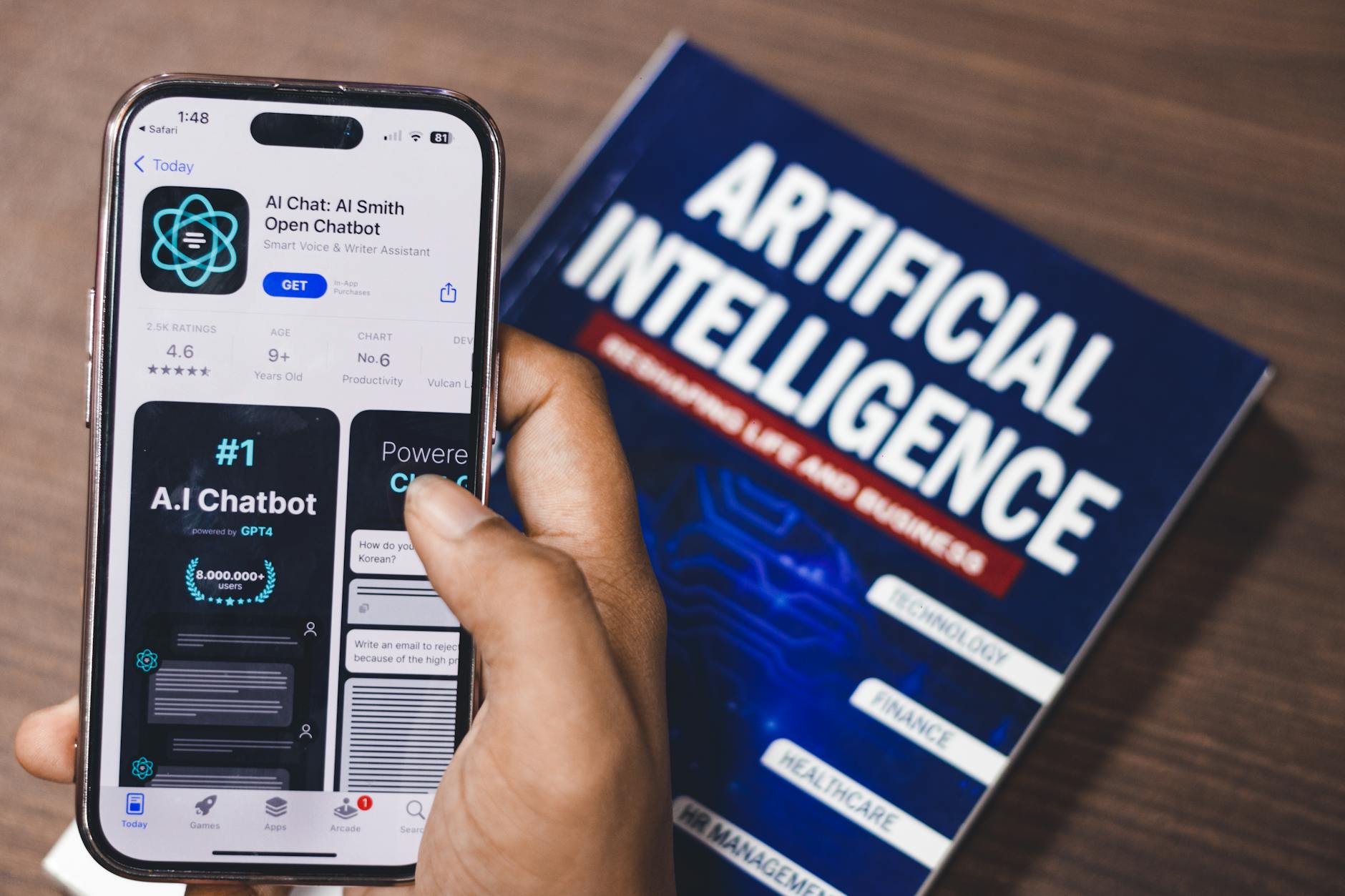
Customer service has undergone a dramatic transformation in 2026. AI-powered chatbots have become essential tools for businesses of all sizes, handling everything from simple inquiries to complex problem-solving. If you’re considering implementing a chatbot solution for your organization, this comprehensive guide will walk you through every step of the process.
Why AI Chatbots Matter in 2026
The customer service landscape has fundamentally shifted. Modern consumers expect instant responses, 24/7 availability, and personalized interactions. According to recent industry data, 78% of businesses now use some form of AI chatbot technology, and for good reason. These intelligent systems reduce operational costs by up to 40% while simultaneously improving customer satisfaction scores.
AI chatbots in 2026 are no longer simple rule-based systems that provide scripted responses. Today’s chatbots leverage advanced natural language processing (NLP), machine learning, and contextual understanding to deliver genuinely helpful customer experiences. They can understand nuance, learn from interactions, and seamlessly hand off conversations to human agents when necessary.
Step 1: Define Your Chatbot Goals and Objectives
Identify Your Use Cases
Before implementing any technology, clarity is essential. Ask yourself: What problems will this chatbot solve? Common use cases in 2026 include:
- Frequently Asked Questions: Handling repetitive inquiries about products, pricing, or policies
- Lead Qualification: Gathering information from prospects and routing them appropriately
- Order Tracking: Allowing customers to check shipment status and delivery timelines
- Technical Support: Troubleshooting common issues and escalating complex problems
- Appointment Scheduling: Managing bookings and calendar integration
Set Measurable KPIs
Establish clear metrics before launch. Track response time, resolution rate, customer satisfaction (CSAT), and cost per interaction. These benchmarks will help you measure ROI and identify improvement areas.
Step 2: Choose the Right Platform and Technology
Evaluate Platform Options
The 2026 market offers diverse solutions:
Cloud-Based Platforms: Services like OpenAI’s API, Google’s Dialogflow, and Microsoft’s Bot Framework offer scalability and regular updates without infrastructure management.
Enterprise Solutions: Companies requiring advanced customization often choose platforms like IBM Watson or Salesforce Einstein, which integrate deeply with existing systems.
No-Code Builders: Platforms such as Tidio and Drift allow non-technical teams to create sophisticated chatbots without coding knowledge.
Consider Integration Capabilities
Your chatbot must integrate seamlessly with existing systems. Ensure compatibility with:
- CRM platforms (Salesforce, HubSpot, Pipedrive)
- Help desk software (Zendesk, Jira Service Management)
- E-commerce platforms (Shopify, WooCommerce)
- Communication channels (WhatsApp, Facebook Messenger, Slack)
Step 3: Design Your Chatbot Conversation Flow
Map User Journeys
Create detailed conversation maps for each use case. Document:
- Initial greeting and intent recognition
- Follow-up questions and clarifications
- Decision points and branching logic
- Escalation triggers to human agents
- Closing and satisfaction checks
Develop a Consistent Brand Voice
Your chatbot should reflect your brand personality. In 2026, customers expect conversational, authentic interactions—not robotic responses. Define tone guidelines and personality traits that align with your brand values.
Step 4: Train Your AI Model
Prepare Training Data
Quality training data is crucial for chatbot performance. Gather:
- Historical customer conversations
- Common questions and variations
- Industry-specific terminology
- Edge cases and exceptions
Aim for at least 500-1000 example conversations per use case for optimal performance.
Implement Continuous Learning
Modern AI chatbots in 2026 improve through ongoing interaction. Set up systems to:
- Capture and review failed conversations
- Identify patterns in escalations
- Update training data regularly
- A/B test different response variations
Step 5: Develop Integration and Testing Protocols
Test Extensively Before Launch
Conduct comprehensive testing across:
- Functionality Testing: Verify all conversation paths work correctly
- Integration Testing: Confirm data flows properly between systems
- Load Testing: Ensure performance under peak traffic
- Security Testing: Validate data protection and compliance
Create Testing Scenarios
Develop test cases covering:
- Normal user flows
- Edge cases and unusual inputs
- Multilingual interactions (if applicable)
- Mobile and desktop experiences
Step 6: Implement Analytics and Monitoring
Set Up Tracking Systems
Monitor chatbot performance in real-time. Key metrics include:
- Conversation completion rate: Percentage of successful interactions
- Average resolution time: How quickly issues are resolved
- Escalation rate: Frequency of handoffs to human agents
- User satisfaction: CSAT and NPS scores
Establish Feedback Loops
Create mechanisms for users to rate interactions. Use this feedback to identify improvement opportunities and validate that your chatbot meets customer needs.
Step 7: Train Your Team and Go Live
Prepare Your Support Team
Your human agents will handle escalations. Ensure they:
- Understand chatbot capabilities and limitations
- Know how to smoothly take over conversations
- Have access to chatbot conversation history
- Receive training on new systems and processes
Plan Your Launch Strategy
Consider a phased rollout:
- Soft Launch: Test with a small user segment
- Gradual Expansion: Increase traffic as confidence grows
- Full Deployment: Roll out to all channels once stable
Step 8: Optimize and Iterate
Analyze Performance Data
Review analytics regularly. Identify:
- Most common user intents
- Conversations with highest abandonment rates
- Frequently asked follow-up questions
- Opportunities for automation expansion
Implement Continuous Improvements
Chatbot implementation is not a one-time project. Schedule regular updates to:
- Refine responses based on user feedback
- Add new capabilities and use cases
- Improve NLP model accuracy
- Update for seasonal trends and business changes
Best Practices for 2026
Prioritize Data Privacy
With increased data regulations in 2026, ensure your chatbot complies with GDPR, CCPA, and industry-specific requirements. Implement proper data encryption and access controls.
Maintain Human Connection
While automation is efficient, customers still value human interaction. Make escalation to human agents seamless and straightforward.
Stay Current with Technology
AI technology evolves rapidly. Monitor industry developments and consider upgrading your chatbot platform as new capabilities emerge.
Conclusion
Implementing AI-powered customer service chatbots in 2026 is no longer optional—it’s essential for competitive businesses. By following this step-by-step guide, you’ll create a chatbot that genuinely improves customer experiences while reducing operational costs.
Remember that successful chatbot implementation requires ongoing attention and optimization. Start with clear objectives, choose the right technology, and commit to continuous improvement. When executed properly, AI chatbots become valuable assets that delight customers and drive business growth.
Sources and Further Reading
Frequently Asked Questions
What is How to Implement AI-Powered Customer Ser?
How to Implement AI-Powered Customer Ser refers to a set of concepts and practices relevant to technology. Understanding the fundamentals helps you apply these techniques effectively in real-world situations.
Who benefits most from How to Implement AI-Powered Customer Ser?
Anyone working in or interested in technology can benefit. Beginners gain foundational knowledge, while experienced practitioners find actionable guidance for common challenges.
What are the key steps to get started with How to Implement AI-Powered Customer Ser?
Start by understanding the core principles, then apply them incrementally. Focus on measurable outcomes and iterate based on what you observe in practice.
Leave a Reply